
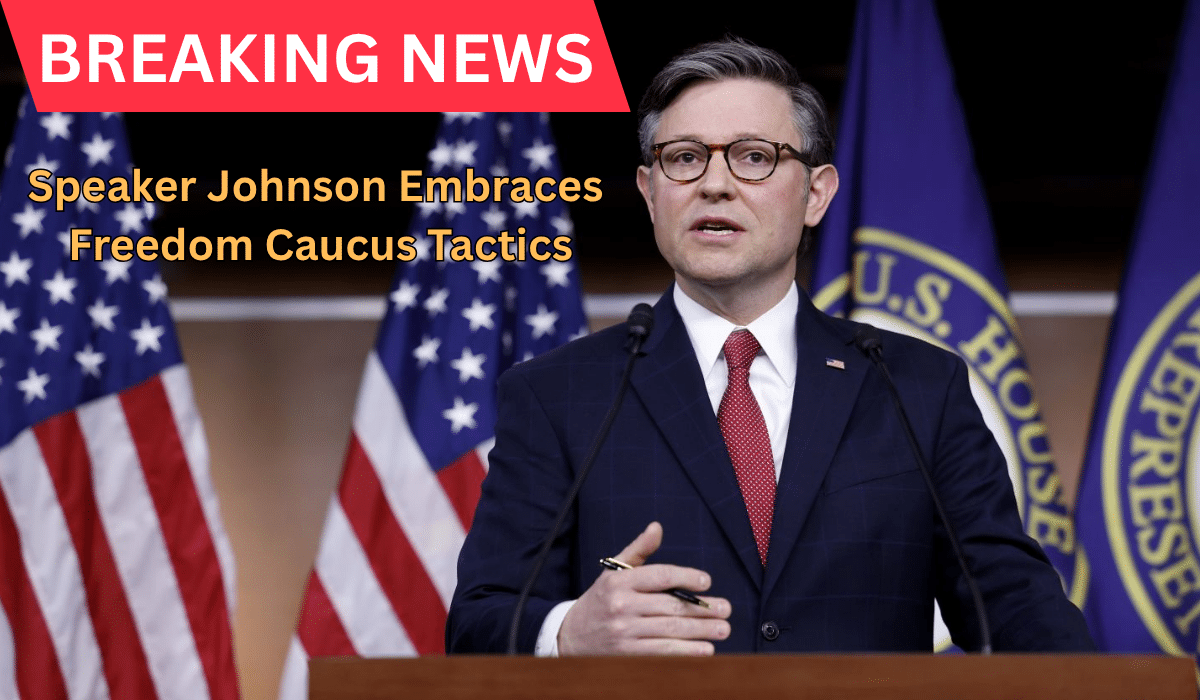
Speaker Johnson Freedom Caucus shutdown strategy marks a dramatic turning point in Republican politics as House Speaker Mike Johnson adopts hardline conservative tactics traditionally favored by the Freedom Caucus, signaling a historic shift in congressional leadership. The government shutdown 2025 has now entered its second week, with Johnson canceling House votes and refusing negotiations with Democrats over healthcare policy demands.
Historic Alliance Between Speaker and Freedom Caucus
On Friday, the Freedom Caucus hosted its first-ever press call featuring a sitting House Speaker—an event Chairman Andy Harris described as “history in the making.” Caucus members spent the entire call supporting Johnson’s strategies, with Harris declaring, “We are aligned with the Speaker.” This represents a dramatic reversal from the group’s traditional role of pressuring GOP leadership over the past decade.
The Freedom Caucus tactics now embraced by Johnson include canceling previously scheduled House votes and extending the congressional recess to pressure Senate Democrats negotiations into accepting a clean stopgap funding measure without amendments. Despite some dissent from members including Representative Marjorie Taylor Greene, Johnson claims “98.7 percent” of House Republicans support his current strategy.
This unprecedented alliance between the Speaker and the conservative caucus demonstrates a significant shift in how Republican leadership approaches budget negotiations and government funding deadlines. The Freedom Caucus, which has historically operated as an opposition force within the party, is now working in tandem with House leadership to push a unified conservative agenda.
Core Issues Behind Federal Government Shutdown
The shutdown centers on Affordable Care Act subsidies set to expire for millions of Americans, which Democrats demand extending while Republicans insist can be addressed later. Johnson has characterized the Chuck Schumer standoff as the Senate Minority Leader grinding “the entire federal government to a halt over one small subset of tax credits in the Obamacare system.”
House Speaker Mike Johnson refused to introduce a separate bill to pay military personnel during the shutdown, arguing that Democrats should support the continuing resolution if they want service members paid. However, recent Trump administration decisions later resolved this by instructing the Pentagon to use other funds, while simultaneously initiating Trump administration layoffs affecting over 4,000 federal employees as part of efforts to reduce government scope.
The healthcare subsidies at the center of this dispute provide financial assistance to approximately 20 million Americans who purchase insurance through the Affordable Care Act marketplaces. Republicans argue that these subsidies can be addressed in separate legislation, while Democrats insist they must be included in any continuing resolution to prevent millions from losing coverage.
Johnson’s Hardline Strategy and Warnings
The Speaker has warned that this shutdown could become “one of the longest in American history” and stated he “won’t negotiate” with Democrats until they drop their healthcare policy demands. The congressional recess extended by Johnson represents a tactical move to increase pressure on Senate Democrats rather than seeking compromise.
According to recent government updates from official sources, many observers are looking toward the end of October as a potential deadline, when open enrollment for health insurance begins November 1 and government employees on monthly salaries face missing paychecks.
Johnson’s strategy reflects a calculated gamble that public pressure will eventually force Democrats to concede on the healthcare issue. By keeping the House in recess rather than attempting to pass compromise legislation, the Speaker is betting that voters will blame Senate Democrats for the shutdown’s continuation.
Impact on Federal Operations and Citizens
The shutdown has now affected thousands of federal employees, closing all 21 Smithsonian museums, and causing disruptions at airports across the country. Johnson’s adoption of these aggressive negotiating tactics reflects growing Republican unity around a hardline position on government spending and healthcare policy.
Federal workers furloughed during the shutdown include employees at national parks, museums, and various government agencies deemed non-essential. Essential workers, including TSA agents and air traffic controllers, continue working without pay, raising concerns about safety and morale in critical government services.
The clean stopgap funding measure demanded by Republicans would temporarily fund government operations without addressing the expiring healthcare subsidies, a position that has created an unprecedented impasse between the House and Senate. As the shutdown continues into day 14, both parties remain entrenched in their positions, with neither side showing willingness to compromise on core demands.
Political Implications and Future Outlook
The federal government shutdown represents a test of Johnson’s leadership and his ability to maintain Republican unity in the face of mounting pressure. His embrace of Freedom Caucus tactics signals a shift toward more confrontational governance, potentially setting the precedent for future budget battles.
Political analysts suggest that whichever party successfully navigates this crisis could gain significant momentum heading into the 2026 midterm elections. The shutdown’s resolution—or lack thereof—may have lasting implications for both parties’ strategies and the future of congressional negotiations.
As the standoff continues, the economic impact grows more severe each day, with federal contractors losing business, tourism suffering near closed monuments, and government services grinding to a halt. The longer the shutdown persists, the more difficult it becomes for either side to claim victory without appearing to have unnecessarily prolonged the crisis.






November 20, 2025