
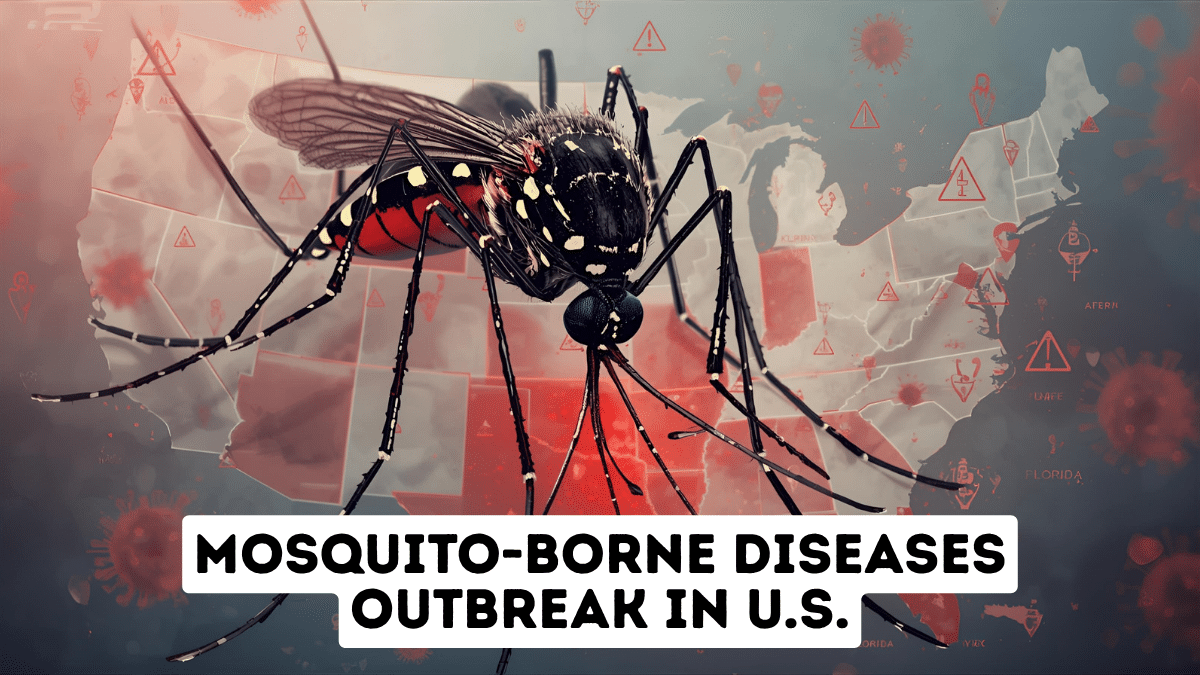
mosquito-borne diseases are once again gaining attention in the United States after health officials confirmed a locally acquired chikungunya case — the first such transmission on the U.S. mainland in over half a decade. The patient resides in Nassau County, Long Island, New York, and began showing symptoms in August despite having no recent international travel.
This development raises alarms across the public health community, as it signals a potential reemergence of vector-borne disease risk in U.S. regions previously considered low risk.
Table of Contents
Mosquito-borne diseases resurgence confirmed with chikungunya in New York
Health authorities in New York state have officially declared this case the first confirmed locally transmitted chikungunya virus instance on the U.S. mainland in approximately six years.
The individual, who lives on Long Island, developed fever, joint pain, rash, and fatigue in August. While the patient had traveled within the U.S., there was no overseas travel, pointing to infection via a local mosquito bite.
Laboratory monitoring has not yet identified chikungunya in local mosquito traps, and no evidence of sustained transmission has been found so far.
Despite the low current risk to the general public, experts warn this case highlights how mosquito outbreaks can resurge when environmental and climatic conditions permit.
Risks from other mosquito-borne diseases and vaccine challenges
While chikungunya grabs headlines now, dengue fever, West Nile virus, and other vector-borne diseases remain perennial threats in parts of the U.S. Dengue cases, especially in territories and travel-imported instances, continue to be reported. Wikipedia+1
Another complicating factor: the FDA suspended Valneva’s chikungunya vaccine, Ixchiq, due to reports of serious adverse events. This means preventive vaccine coverage in the U.S. is currently constrained, making mosquito control and personal protection even more critical.
Why mosquito-borne diseases are resurfacing now
Several factors are contributing to this resurgence:
- Climate change and warming trends extend mosquito season and expand geographic range of vectors.
- Urbanization and water management lapses create breeding grounds for Aedes mosquito species (Aedes aegypti, Aedes albopictus).
- Travel and global outbreaks help import viruses that local mosquitoes can pick up and spread.
- Vaccine uncertainties (e.g. the Ixchiq suspension) leave populations more vulnerable.
In increasingly temperate zones, local transmission events become more plausible. Public health models (such as Wolbachia strategies or odor-baited traps) are being studied to suppress mosquito populations and reduce virus spread.
What Americans should do: prevention & awareness
- Use effective mosquito repellents (DEET, picaridin) and wear long sleeves/trousers
- Eliminate standing water around homes (flower pots, gutters, containers)
- Install window and door screens and use mosquito nets
- Stay informed via public health alerts and vector surveillance programs
- Seek medical attention if experiencing fever, rash, joint pain, or fatigue
Given uncertainty, caution is wise—especially if traveling to regions where mosquito-borne diseases are active.
Broader implications & lessons for media and policymakers
This reappearance of mosquito-borne diseases in the U.S. underscores how infectious disease risks overlap with climate, infrastructure, and public awareness. It also shows how even non-tropical regions cannot be complacent.
From a media perspective, linking topics helps deepen audience engagement. For instance, readers interested in mosquito-borne virus risks might also explore broader stories of data leaks and security—thus the internal link “mosquito-borne virus risks” will lead to your other content (e.g. the Telegram chat leak article).
Conclusion
As this locally acquired chikungunya case reveals, mosquito-borne diseases are not a distant threat to the U.S. anymore. With vaccine constraints and climate pressures, vigilance, mosquito control, and public health readiness become paramount. This is a reminder that vector-borne diseases can unexpectedly resurge—even in places once assumed safe. Stay alert, use protection, and monitor updates from health agencies.





November 20, 2025