
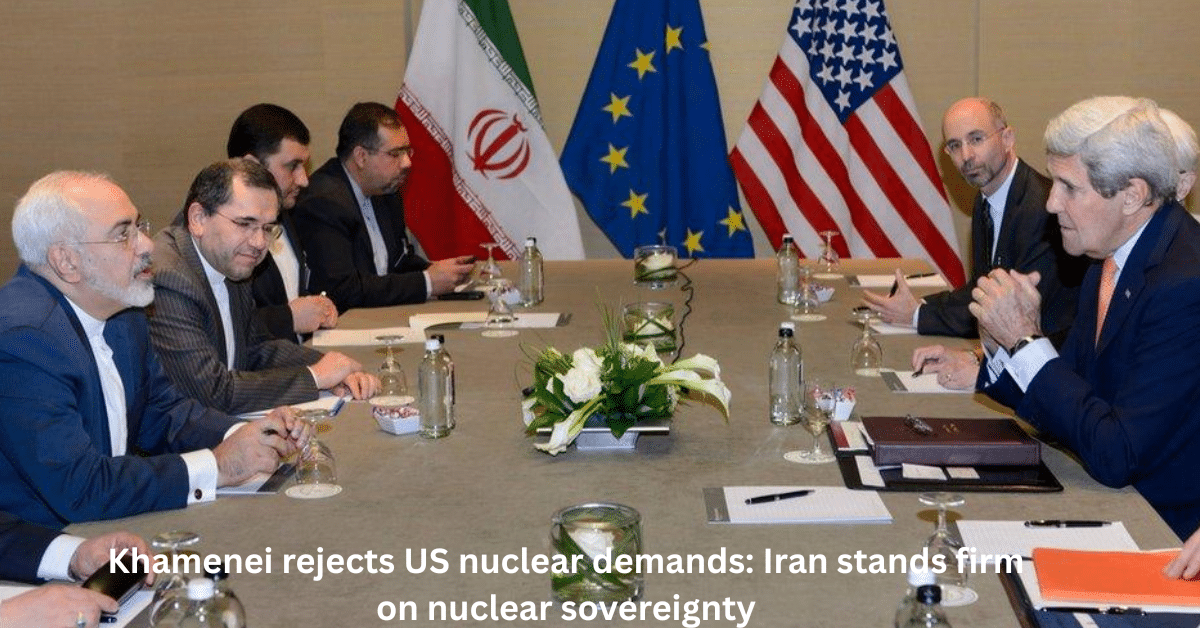
Khamenei rejects US nuclear demands as Iran’s Supreme Leader doubles down on the Islamic Republic’s right to uranium enrichment, rebuffing American pressure just days before snapback UN sanctions reimpose sweeping restrictions. This latest standoff occurred in September 2025, with Ayatollah Khamenei pledging that Tehran will continue enrichment, characterizing negotiations as a “trap” and an “imposition” that undermines Iranian dignity and sovereignty. Amid growing diplomatic tension, these remarks were delivered on national television and widely covered by global media outlets, sparking intense debate about the future of nuclear negotiations.
Khamenei rejects US nuclear demands as snapback sanctions loom
The Supreme Leader addressed the nation in a televised speech, emphasizing Iran’s unwavering position. “Negotiation with America is pure loss and brings irreparable damage—no honorable nation negotiates under threat,” Khamenei said, rejecting US requests to halt nuclear advancement and missile development. With the snapback mechanism under UN Security Council Resolution 2231 about to restore strict sanctions, Khamenei’s message signals defiance amidst international pressures.
Iran’s nuclear program: Sovereignty vs pressure
Khamenei asserted that enrichment to 60 percent is solely for civilian needs, denying weaponization goals despite international skepticism. He stated, “We have no need for a bomb, but enrichment to 60 percent is necessary. We are among ten countries with this capability,” framing nuclear technology as a point of national pride and technological progress. Iran’s uranium stockpile—now estimated at 440 kilograms enriched to 60 percent—has triggered alarm among Western governments and the IAEA, who argue such levels far exceed civilian requirements.
US-Iran relations and diplomatic breakdown
Talks with Washington were firmly dismissed as “dictation rather than negotiation,” with Khamenei cautioning against any dialogue conducted under coercion or threat. He warned, “If we were to negotiate under such threats, it would mean we tremble and surrender whenever threatened… There would be endless threats, forcing us to retreat step by step,” highlighting Iran’s determination not to set precedents for further Western demands. These remarks closed the door on speculation that President Masoud Pezeshkian might meet Donald Trump during the UN General Assembly in New York.
European and global responses
European diplomats, including Germany’s Foreign Minister Johann Wadephul, have expressed little optimism for a diplomatic breakthrough before the sanctions deadline, despite ongoing discussions at the UNGA between the E3—France, Germany, and the UK—and Iran’s officials. The International Atomic Energy Agency has announced plans to send inspectors, hoping for eleventh-hour progress. However, the consensus among diplomats and international monitors remains skeptical that Iran will alter course in time.
Economic strain and domestic pressure
The prospect of renewed sanctions has sent shockwaves through Iran’s economy, with the rial dropping against major currencies and inflation rates climbing. Tehran’s oil exports are facing greater challenges as trade partners, notably China, demand sharper discounts and increased risk premiums. Iranian economists warn that ordinary households will bear the brunt of escalating living costs as the market reacts to incoming sanctions, placing immense pressure on the regime’s narrative and authority.
Conclusion: Nuclear sovereignty at the center
As snapback sanctions return and Western scrutiny intensifies, Khamenei’s rejection of US nuclear demands underscores Iran’s fierce commitment to nuclear sovereignty—a stance rooted in both political ideology and economic necessity. “Knowledge cannot be bombed away,” he declared, defending Iran’s refusal to compromise on domestic enrichment. The diplomatic deadlock continues, shaping the strategic landscape of Middle East diplomacy and global non-proliferation efforts for the months ahead.



November 20, 2025